
Does Physical Therapy Work for Herniated Discs?
Learn expert information about the role of physical therapy in herniated discs, in which cases physical therapy is effective, the methods used, and the treatment process.
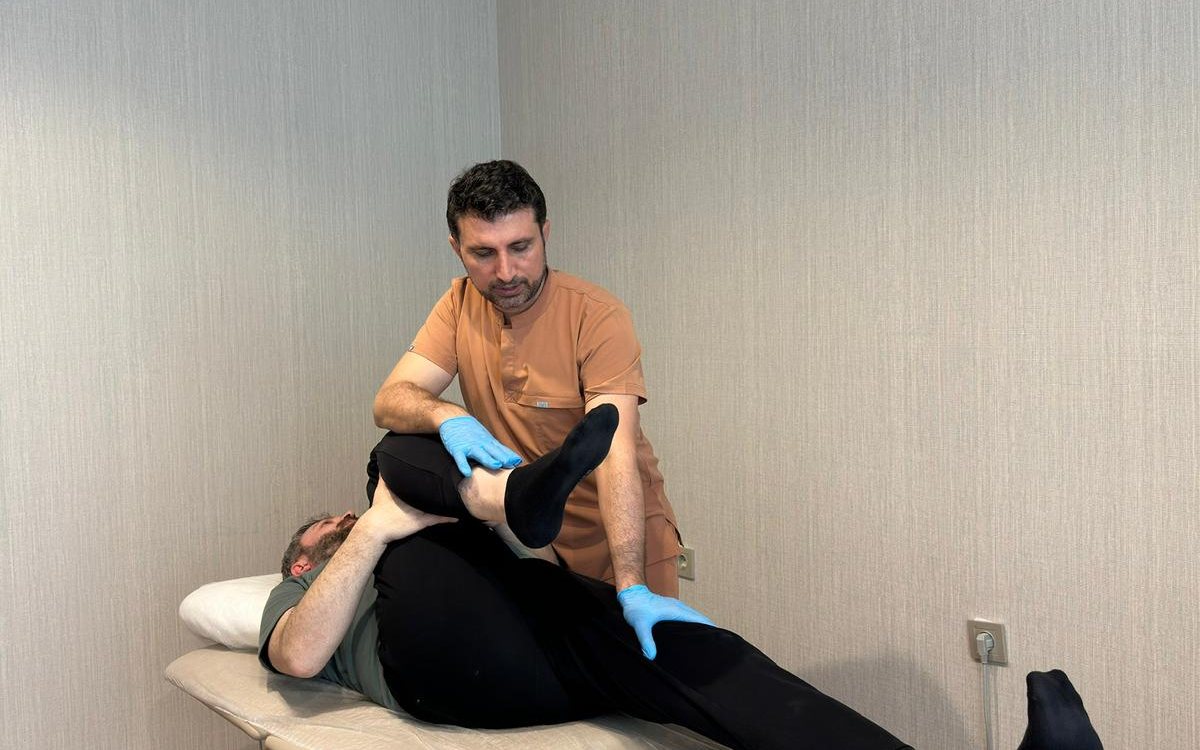
Does Physical Therapy Help a Herniated Disc?
Introduction
A herniated lumbar disc is one of the most common causes of lower back pain. It occurs when one of the spinal discs in the lower back protrudes and puts pressure on nearby nerves. This condition can affect people of all ages, from office workers who sit for long hours to individuals who perform physically demanding jobs.
Many people assume that a herniated disc automatically requires surgery. However, most herniated discs do not require surgical treatment. For many patients, physical therapy can significantly reduce pain and help them safely return to their daily activities.
Symptoms of a Herniated Disc and Its Impact on Daily Life
A herniated disc often begins with mild lower back pain. As the condition progresses, the pain may spread into the buttock, leg, or even the foot.
Common symptoms include:
- Severe lower back stiffness when getting out of bed in the morning
- Sharp pain when bending over or putting on shoes
- Difficulty sitting for long periods
- Difficulty standing for extended periods
- Pain radiating down the leg (sciatica)
- Numbness or tingling in the leg
- Muscle weakness that makes walking difficult
Some people find it difficult to continue working, while others struggle to sleep because of persistent pain. These symptoms may indicate a herniated disc and should not be ignored. Early diagnosis and appropriate treatment are important to prevent the condition from worsening.
Does Physical Therapy Help a Herniated Disc?
Yes. Research shows that many patients who undergo physical therapy are able to return to their normal daily lives without needing surgery.
The goal of physical therapy is not only to reduce pain but also to strengthen the muscles that support the spine, improve mobility, and reduce the risk of future flare-ups.
Patients who consistently follow their treatment program and perform their prescribed exercises generally achieve better long-term outcomes.
What Does Physical Therapy Involve?
Before treatment begins, a thorough assessment is performed by a healthcare professional. This includes reviewing your symptoms, conducting a physical examination, and evaluating imaging studies if necessary.
Based on the severity of the disc herniation and your daily activities, a personalized treatment plan is created.
Physical therapy usually combines several treatment techniques designed to relieve pain, strengthen the muscles surrounding the lower back, and restore normal movement.
Treatment may include:
- Manual therapy
- Core and lower back strengthening exercises
- Neural mobilization techniques
- Posture correction and movement education
- Electrotherapy
- Heat and cold therapy
What Helps Relieve Lower Back Pain?
In addition to physical therapy, several healthy daily habits can help reduce lower back pain.
- Avoid sitting in the same position for long periods.
- Lift heavy objects using your knees rather than bending at the waist.
- Take regular walks whenever possible.
- Perform the exercises prescribed by your doctor or physical therapist.
- If you are overweight, aim to lose weight gradually under professional guidance.
- Use an ergonomic chair that properly supports your lower back while working.
Research has shown that combining regular exercise with physical therapy can significantly reduce pain while improving overall function and quality of life.
What Can Patients Expect After Treatment?
With consistent treatment, many patients experience a noticeable reduction in pain.
Many also report being able to walk more comfortably, sit for longer periods, and perform everyday activities with greater ease.
To maintain these improvements, it is essential to continue the prescribed exercise program at home as well as during clinic visits.
When Should You See a Doctor?
Seek medical attention promptly if you experience any of the following:
- Significant weakness in the leg
- Severe or persistent pain
- Loss of bladder or bowel control
- Progressively worsening numbness extending into the foot
- Pain that does not improve despite treatment
Important: A herniated disc does not always require surgery. When physical therapy is started at the appropriate time, combined with regular exercise and healthy lifestyle modifications, many people experience significant pain relief and improved function. The key is to seek professional evaluation early rather than delaying treatment and to consistently follow a personalized rehabilitation program.