
Sports Injuries
Comprehensive rehabilitation that supports the rehabilitation process and safe return-to-sport planning after injuries.
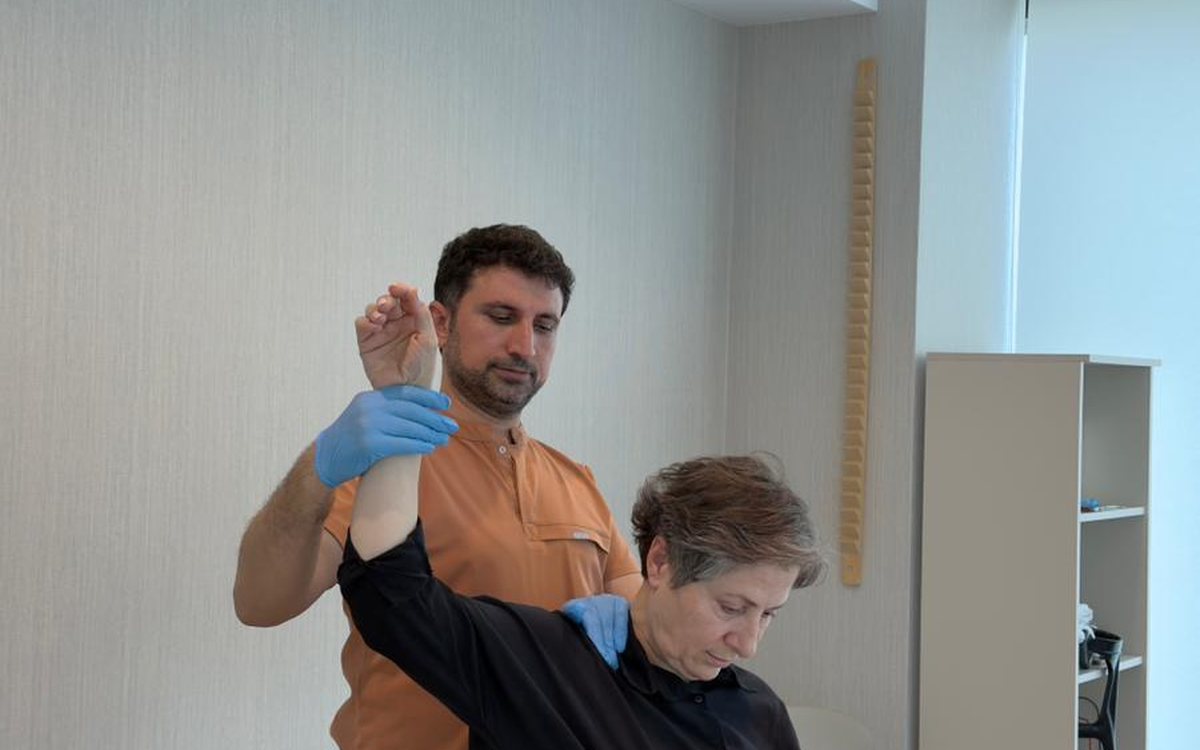
Osteopathic Physiotherapist Mustafa Kurt creates athletic rehabilitation and exercise plans to ensure a safe return to sport after ligament injuries and muscle tears, offering personalized physiotherapy in Istanbul.
Sports Injuries Guide: Types, First Aid, and Treatment Methods
Sports injuries are a condition anyone can face, from people who exercise regularly to professional athletes. Incorrect movement, excessive loading, or a sudden impact can damage muscle, ligament, tendon, and joint structures. Having the right information both reduces injury risk and speeds up recovery.
What Are Sports Injuries?
Sports injuries are tissue damages in the musculoskeletal system that occur during physical activity. This damage can result from sudden trauma or develop over time through repeated strain.
They are more common in sports such as running, fitness, football, and basketball. However, even in low-intensity exercise, incorrect technique and unprepared training can lead to injury.
Types of Sports Injuries
Sports injuries are evaluated in two main groups:
Acute Injuries
These are injuries that develop suddenly. They result from falls, collisions, or awkward movements. Ankle sprains, muscle tears, and fractures are the most common examples.
Chronic (Overuse) Injuries
These arise from repeated micro-strain over time. Insufficient rest and incorrect training trigger this condition. Tennis elbow and runner's knee are common examples.
How Are Injuries Classified by Tissue?
Muscle injuries: strain, contusion, tear
Ligament injuries: sprain or rupture in ligaments that provide joint stability
Joint and bone injuries: meniscus damage, dislocation, and stress fractures
Severity is generally divided into three grades: mild strain, partial tear, and complete rupture.
First Aid for Sports Injuries (R.I.C.E.)
Initial intervention directly affects the recovery process.
Rest prevents strain on the injured area, ice application reduces swelling and pain, compression keeps edema under control, and elevation reduces swelling.
How Does the Recovery Process Progress?
The first 48 hours are a critical period. During this time, heat application, massage, and strenuous movements should be avoided.
In the later stage, as swelling decreases, physiotherapy, controlled exercises, and muscle strengthening work come into play. The goal is not only to reduce pain but to regain functional movement.
Knee Injuries and Recovery Time
The knee joint is one of the regions that bears the most load during sport.
Mild strains usually heal within 1–3 weeks. With partial tears, recovery may extend to 4–8 weeks. With serious injuries such as anterior cruciate ligament damage, recovery can take 6–9 months.
Duration depends not only on the type of injury but also on the rehabilitation process.
Preventing Sports Injuries
Warm-up and mobility exercises should be performed, loading should be increased gradually, correct technique should be learned, appropriate equipment should be used, and attention should be paid to sleep and nutrition.
Which Doctor Should You See?
Orthopedics and Traumatology: fractures, dislocations, and surgical cases
Physical Medicine and Rehabilitation (PM&R): muscle and ligament tissue recovery process
Sports Medicine: performance and return-to-sport planning
You can book appointments at these departments in both public hospitals and private hospitals. You can create a free appointment through e-Government or MHRS (call 182) at public hospitals.
Session Process and Treatment Plan
In sports injuries, the treatment process is planned individually. Because each person's injury type, sports history, and recovery speed differ, a clinically based approach is applied rather than a standard program.
At the initial examination, a detailed assessment is performed using movement analysis and, when needed, imaging methods (MRI, ultrasound, etc.). A personalized treatment plan is then created.
A session generally lasts 45–60 minutes and may include applications such as manual therapy, clinical exercise, and electrotherapy.
Average Number of Sessions
The average number of sessions varies according to injury severity. In mild cases, 5–10 sessions may be sufficient. In moderate cases, 10–20 sessions may be planned. After surgery or in advanced cases, a longer rehabilitation process is applied.
The goal is not only to reduce pain but to enable the person to return to sport safely.
Fee Information
Treatment fees for sports injuries are not standard because each case requires a different treatment plan.
Fees are determined by the type and severity of the injury, therapy methods to be applied, number of sessions, total treatment duration, and clinical equipment and additional application needs.
For this reason, clear pricing is determined according to the personalized treatment plan created after the initial assessment. Planning is generally done per session or as a package program.
Important: Sports injuries can largely be brought under control with a conscious approach. Early intervention, correct rehabilitation, and regular follow-up are the most critical parts of the recovery process. If pain continues or movement is restricted, professional assessment should be obtained without delay. Correct treatment prevents long-term problems.
Osteopathic Physiotherapist Mustafa Kurt
Address: Atatürk Mah. Ertuğrul Gazi Sok. Metropol İstanbul Sitesi B Blok Kat:2 D:67, Ataşehir / Istanbul
Phone: 0555 345 6585