
Manual Therapy
A hands-on treatment method that reduces pain and increases range of motion through joint and soft tissue mobilization.
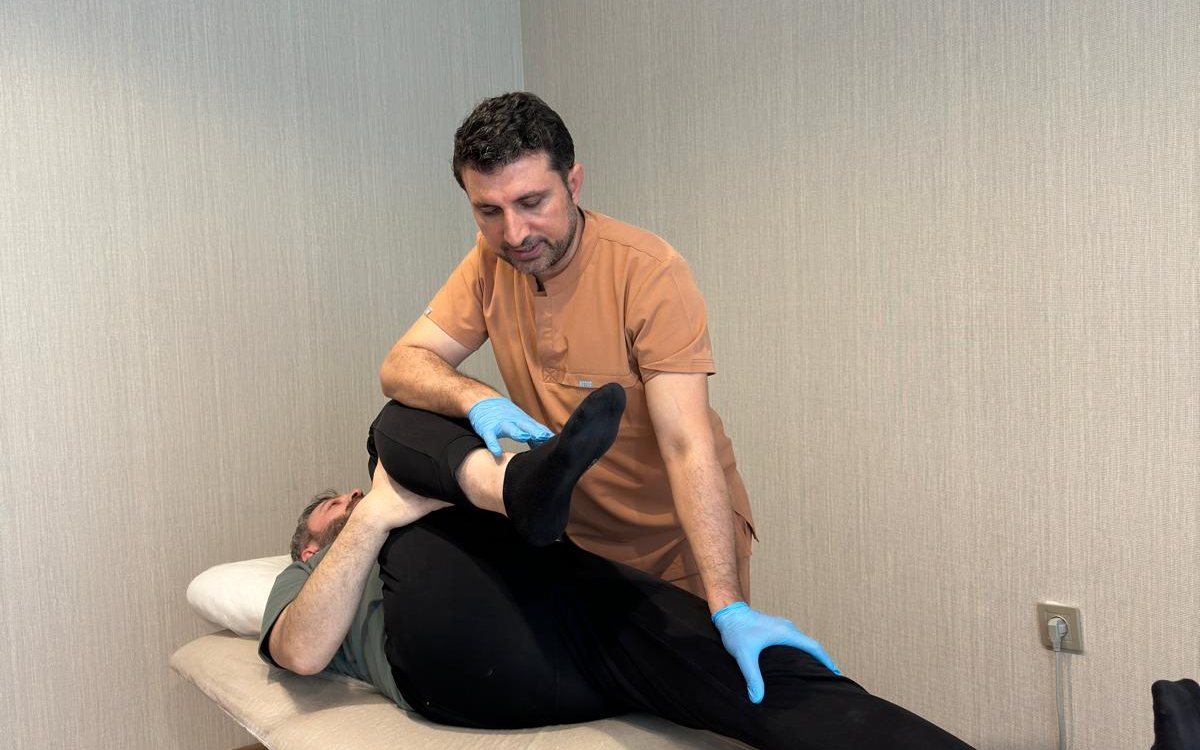
Osteopathic Physiotherapist Mustafa Kurt applies hands-on mobilization and soft tissue techniques to relieve lower back, neck, and back pain as well as joint movement restrictions, offering personalized manual therapy in Istanbul.
Manual Therapy Guide: What Is It, How Is It Done, and Who Is It For?
Manual therapy is an approach that covers hands-on treatment techniques used to assess and treat pain and movement restrictions originating from the musculoskeletal system. It is used as an important part of the physical therapy and rehabilitation process, especially for lower back, neck, and back pain, joint movement restrictions, and muscle tension.
The treatment plan is prepared individually by the physiotherapist based on the person's clinical assessment findings.
What Is Manual Therapy?
Manual therapy is a treatment method that aims to increase mobility through hands-on mobilization and relaxation techniques applied to muscles, joints, and soft tissues. The goal is to reduce pain, increase joint range of motion, and restore the body's functional balance.
How Is Manual Therapy Performed?
Manual therapy begins with a detailed assessment. The physiotherapist evaluates the source of pain, joint range of motion, muscle tension, and posture.
During the application process:
- Joint mobilization
- Soft tissue techniques
- Muscle relaxation applications
- Stretching techniques
- Nerve mobilization when necessary
may be used.
What Are Manual Therapy Methods?
The techniques used in manual therapy vary from person to person.
The most commonly used methods:
- Joint mobilization
- Manipulation (in suitable patients)
- Myofascial release techniques
- Soft tissue mobilization
- Stretching and flexibility techniques
- Nerve mobilization
Who Is Manual Therapy For?
Manual therapy can be applied in many musculoskeletal problems:
- Lower back and neck pain
- Back pain
- Shoulder problems
- Knee and hip pain
- Sports injuries
- Postural disorders
- Movement restrictions
What Are the Benefits of Manual Therapy?
Manual therapy may help reduce pain, decrease muscle tension, and increase joint range of motion. It may also contribute to improved posture, support quality of daily life, and enhance functional movement.
Who Should Not Receive Manual Therapy?
In some cases, manual therapy may not be appropriate. Recent fractures, active infections, advanced osteoporosis, serious neurological conditions, and pathologies requiring surgery are among these situations.
Therefore, a specialist assessment is essential.
Are There Risks to Manual Therapy?
When applied correctly, manual therapy is generally considered safe. However, in some cases temporary muscle sensitivity, mild post-treatment soreness, and rarely a temporary feeling of discomfort may occur.
Incorrect technique applications can pose risks, so it should only be performed by trained healthcare professionals.
What Is the Difference Between Manual Therapy and Osteopathy?
Although manual therapy and osteopathy both involve hands-on techniques, they differ in scope and approach.
Manual therapy focuses on specific joint and soft tissue techniques targeting musculoskeletal problems. Osteopathy offers a broader approach that evaluates the body as a whole, taking into account the relationship between the muscular, skeletal, nervous, and circulatory systems.
In some cases, both methods may be used together. Which approach is appropriate is determined after a clinical assessment.
What Happens During a Manual Therapy Session?
A session usually consists of the following stages:
- Initial assessment
- Manual applications
- Exercise recommendations when necessary
- Home program planning
Session Duration
A manual therapy session lasts an average of 45-60 minutes.
Average Number of Sessions
The number of sessions varies depending on the person's condition:
- Mild cases: 4-6 sessions
- Chronic pain: 6-10 sessions
- Advanced problems: 10 sessions or more
Which Doctor and Department Should You Visit for Manual Therapy?
For lower back, neck, and back pain as well as joint movement restrictions where manual therapy is applied, you can first consult a Physical Medicine and Rehabilitation (PM&R) specialist (physical medicine doctor) or a physiotherapist. In cases that may require surgery, an Orthopedics and Traumatology specialist may also provide an assessment.
You can book a free appointment through e-Government or MHRS (call 182) at the Physical Medicine and Rehabilitation department of public hospitals. For manual therapy to be safe, it is important that it is applied only by trained physiotherapists.
Manual Therapy Fees
Manual therapy fees are not standardized. Prices vary depending on assessment findings, number of sessions, techniques applied, and the personalized treatment plan.
About Manual Therapy Training
Manual therapy training refers to professional development programs for healthcare professionals. These programs aim to improve practitioners' assessment and technical skills. What matters for individuals seeking treatment is that the application is performed by competent healthcare professionals.
Why Do Reviews from People Who Have Had Manual Therapy Differ?
Patients' experiences may vary from person to person. Reasons for this include the type of complaint, duration of symptoms, number of sessions, adherence to exercises, and the person's general health condition.
For this reason, reviews may differ.
Frequently Asked Questions
What is manual therapy?
Hands-on treatment techniques applied to muscles and joints.
How is manual therapy performed?
It is applied with mobilization and soft tissue techniques after assessment.
Does manual therapy hurt?
It is generally not painful; mild sensitivity may occur.
How many sessions does manual therapy take?
It varies by patient but is generally between 4-10 sessions.
Is manual therapy harmful?
It is safe when applied correctly; incorrect applications can pose risks.
Are manual therapy and physical therapy the same?
No, manual therapy can be part of physical therapy.
Osteopathic Physiotherapist Mustafa Kurt
Address: Atatürk Mah. Ertuğrul Gazi Sok. Metropol İstanbul Sitesi B Blok Kat:2 D:67, Ataşehir / Istanbul
Phone: 0555 345 6585